Staring down a 50-page baby registry checklist can send the calmest expectant parent into a spiral of anxiety. Do you really need a wipe warmer? Are four different types of swaddles essential? The message from the billion-dollar baby industry is clear: Buy more. Just in case. But what if the secret to a confident, peaceful start isn’t having everything, but having the right things?
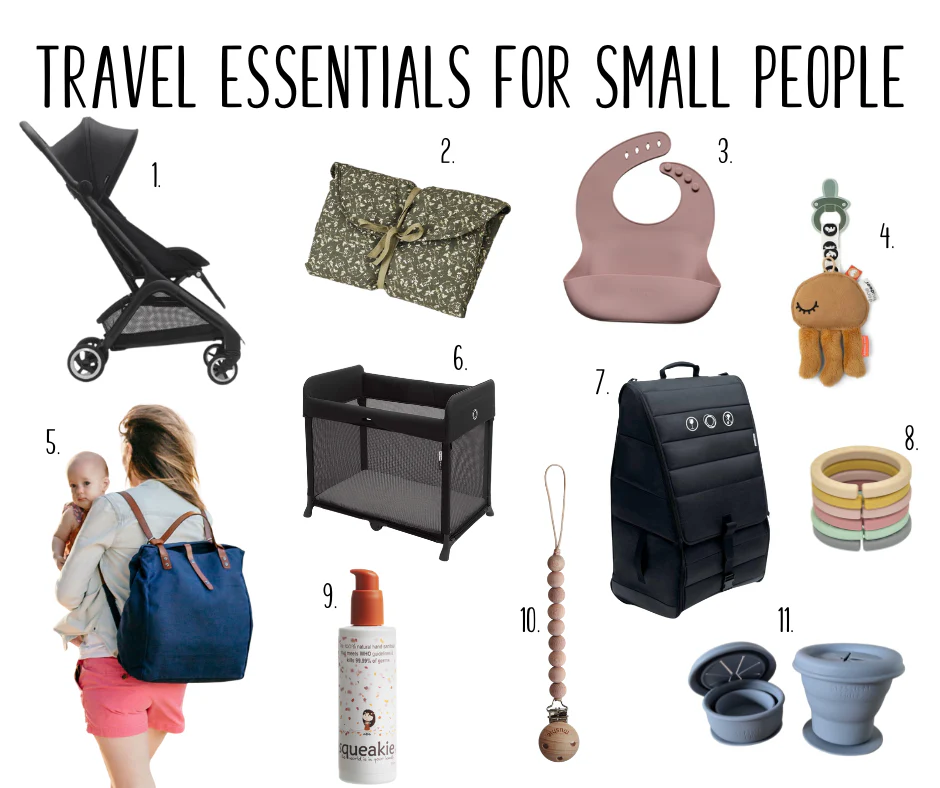
Let’s reframe. Your baby isn’t a project that requires endless equipment. Your baby is a new human with a short, simple list of core needs. This guide is built on that philosophy. We’re moving beyond store aisles and marketing hype to focus on a “Core Needs Framework”—six fundamental categories that cover every aspect of your newborn’s well-being. For each need, we’ll provide a shortlist of evidence-based, functional tools. Our goal isn’t to fill a nursery; it’s to equip you with the essentials to meet your baby’s needs safely, simply, and with room to breathe. Welcome to intelligent, intentional preparation.
Core Need 1: Sustenance & Nourishment
The Need: To be fed safely and comfortably, whether by breast, bottle, or both.
Your newborn’s primary job is to eat and grow. The gear here should make feeding easier, not more complicated.
The Absolute Essentials:
- For All Feeding Methods: Burp cloths (10+). Not the tiny, decorative kind. Think large, ultra-absorbent cloth diapers or flour sack towels. You will use them constantly for spit-up, milk drips, and as impromptu changing pads.
- For Breastfeeding:
- Nursing Pads (Reusable or Disposable): Leaking is normal in the early weeks.
- Nipple Cream (Lanolin or Hydrogel): For comfort in the first days as you adjust.
- The Lactation Consultant’s Number: Having expert help on speed dial is more valuable than any product. Ask your hospital or pediatrician for a recommendation.
- For Formula Feeding:
- Formula: Have a small can of the type your pediatrician recommends. Do not stockpile one brand until you know baby tolerates it.
- A Precise Measuring Tool: Like the scoop that comes with formula, used correctly (leveled off, not packed).
- A Way to Sterilize: A dedicated pot for boiling bottles/nipples or a microwave steam sterilizer bag for the first few months.
The Functional Tools:
- Bottles (4-6 is a good start): Choose bottles with slow-flow newborn nipples. Buy two different styles (e.g., one classic, one angled) in small quantities—babies have strong preferences. Ignore extravagant “anti-colic” marketing; a slow flow and paced feeding technique are most important.
- Bottle Brush & Drying Rack: A simple, dedicated brush with a nipple cleaner is essential. A compact drying rack saves counter space.
What You Can Confidently Skip (For Now):
- Bottle Warmers: A cup of warm tap water works perfectly well to gently take the chill off a refrigerated bottle.
- Fancy Formula Dispensers: Small, airtight food containers work just as well for pre-portions.
- Elaborate “Systems”: You don’t need a mixing pitcher or a special bottle sanitizer that takes up counter space unless you find it genuinely simplifies your life.
Core Need 2: Safe Sleep & Rest
The Need: A safe, bare, regulated space for uninterrupted sleep.
This is the most critical category for safety. The American Academy of Pediatrics (AAP) guidelines are non-negotiable and designed to drastically reduce the risk of SIDS and suffocation.
The Non-Negotiable Safety Essentials (AAP Guidelines):
- A Firm, Flat Sleep Surface: A safety-certified crib, bassinet, or play yard. The mattress should be firm and fit snugly (no gaps). Inclined sleepers, docks, and loungers are not safe for sleep.
- A Fitted Sheet (2-3): Only a tight-fitting sheet for the specific mattress. No other bedding.
- Wearable Blankets/Sleep Sacks (2-3): These are the safe alternative to loose blankets. They keep baby warm without the risk of covering their face.
- Room-Sharing Setup: Plan for a bassinet or crib in your room for at least the first 6 months.
The Supportive Environment (Nice-to-Haves):
- White Noise Machine: Helps mask disruptive household sounds (dishwashers, dogs, older siblings) that can startle a sleeping newborn.
- Blackout Curtains: Not essential, but helpful for regulating day/night cycles and naps in a bright room.
The “Do Not Buy/Use” List:
- Crib Bumpers (mesh or padded): They are a strangulation and suffocation hazard.
- Pillows, Loose Blankets, Stuffed Animals: Nothing soft should be in the sleep space.
- Sleep Positioners/Wedges: Marketed for reflux or flat head, they are unsafe.
- Any product that restraints baby or is inclined for sleep. If a product says “for supervised rest,” it is not for sleep.
Core Need 3: Cleanliness & Diapering
The Need: To be kept clean, dry, and free from irritation.
This is about simple, effective hygiene. You don’t need a “changing table”; you need a safe, waterproof station.
The Diapering Station Essentials:
- A Waterproof Changing Pad: This can go on top of a dresser, a low bookshelf, or even the floor. Secure it with the included straps if elevated.
- Diapers (Newborn & Size 1): Newborns use 8-12 per day. Get a few small packs of different brands to test fit before buying in bulk.
- Unscented Wipes: A simple, gentle formula. A wipe warmer is optional and can become a breeding ground for bacteria if not cleaned meticulously.
- Diaper Cream: A thick, zinc-oxide-based paste (like Desitin or Triple Paste) acts as a moisture barrier to prevent and treat redness.
- Diaper Pail: A simple lidded trash can with a foot pedal works fine. Specialty pails with odor-lock systems are a luxury, not a necessity.
The Bathing & Grooming Kit:
- Baby Bathtub or Sink Insert: Something that cradles a slippery, squirmy newborn safely. A simple, sling-style tub is perfect.
- Soft Hooded Towels & Washcloths (3-4): Baby towels are thinner and dry quickly.
- Grooming Essentials: Baby nail clippers or a fine-grit emery board (newborn nails are soft but sharp!), a soft-bristled brush for cradle cap, and a bulb syringe for gentle nasal suction (use sparingly).
Core Need 4: Safety & Transportation
The Need: To be transported and eventually explore the environment safely.
This is about getting from Point A to Point B and ensuring Point B is a safe haven.
The #1 Non-Negotiable Essential:
- A Rear-Facing Infant Car Seat: This is life-support equipment for your vehicle.
- Buy new to guarantee it hasn’t been in an accident and meets the latest safety standards.
- Ensure it fits in your vehicle correctly before baby arrives.
- Get it installed & checked by a certified Child Passenger Safety Technician (find one at a local fire station or via NHTSA.gov).
The Bonding & Comfort Tool:
- Baby Carrier or Wrap: A soft-structured carrier (like an Ergobaby) or a stretchy wrap (like a Boba) allows for “wearing” your baby. This promotes bonding, can soothe a fussy baby, and gives you hands-free mobility. It’s a tool for connection as much as transportation.
The Early Prep Work:
- Baby-Proofing Starter Kit: Outlet covers, cabinet/drawer latches, and furniture anchors. The crucial insight: baby-proofing is not a one-time event. Start anchoring heavy furniture and securing toxic items before baby arrives. The rolling and crawling stages come faster than you think.
Core Need 5: Health & Wellness
The Need: For monitoring, comfort, and preventive care.
This is your at-home toolkit for managing minor issues and knowing when to call the doctor.
The Health Monitoring Kit:
- Digital Thermometer: A rectal thermometer is the gold standard for accuracy in infants under 3 months. A temporal (forehead) artery thermometer is a good, less invasive secondary option.
- Nasal Care: Saline nasal spray/drops and a nasal aspirator (like the NoseFrida) are crucial for clearing stuffy noses before feeds and sleep.
- Infant Pain/Fever Reliever: Infant acetaminophen (Tylenol) – but only to be used with explicit dosing instructions from your pediatrician. Have it on hand, but don’t administer without their guidance.
- Basic Baby First-Aid Kit: Should include infant bandages, antibiotic ointment, and a list of emergency numbers.
Soothing & Comfort Items:
- Gas Drops: Simethicone drops (like Mylicon) are safe and can provide relief from painful gas bubbles.
- A Baby Swing or Bouncer: Choose one with a flat, reclined seat (not inclined). This is a supervised soothing station where you can put baby down safely while you shower or eat—never for unsupervised sleep.
Core Need 6: Connection & Development
The Need: For bonding, stimulation, and age-appropriate play.
For a newborn, “play” is about engaging their developing senses and strengthening your bond. Less is profoundly more.
The True “Toys” for 0-3 Months:
- You. Your face, your voice, your touch are the most developmentally rich “toys” your baby needs. Narrate your day, make eye contact, sing songs.
- High-Contrast Images: Newborns see in high contrast. Black-and-white cards or books are visually stimulating and support cognitive development.
- A Baby-Safe Mirror: Babies are fascinated by faces, including their own reflection. A small, unbreakable mirror on their play mat is perfect.
- Play Mat/Gym: A simple mat with a detachable arch for dangling toys encourages tummy time, reaching, and tracking objects.
- Simple Grasping Toys: A few soft rattles or rings that are easy for tiny hands to hold (or bat at).
The Clothing Philosophy (A Minimalist Capsule):
Newborns grow fast and live in sleepers. Prioritize comfort and function:
- Zipper-Footed Sleepers (5-7): Zip-up ones are a middle-of-the-night game-changer over snaps.
- Onesies/Bodysuits (5-7): For layering or warmer days.
- Socks/Mittens (3-4 pairs): Mittens prevent face-scratching.
- 1-2 “Going Home” or Special Outfits: That’s it. You don’t need a full wardrobe. Stick to soft, stretchy fabrics in easy-care materials.
Conclusion: The Shortlist for a Confident, Connected Start
The true essentials for baby aren’t found in a mega-store aisle. They are found in understanding your baby’s core human needs and selecting simple, safe, effective tools to meet them. This evidence-based, minimalist approach does more than save you money and space—it saves your sanity. It clears the clutter, both physical and mental, so you can focus on the only thing that is truly irreplaceable: your presence.
Your baby needs to be fed, kept safe while sleeping, kept clean, transported securely, monitored for wellness, and connected to you. That’s it. By building your registry and your nursery around this Core Needs Framework, you aren’t just preparing for a baby. You’re laying the foundation for a calmer, more intentional, and deeply connected parenting journey. The most essential item on your list isn’t something you can buy. It’s the confidence that you already have exactly what you need to nurture this new life.