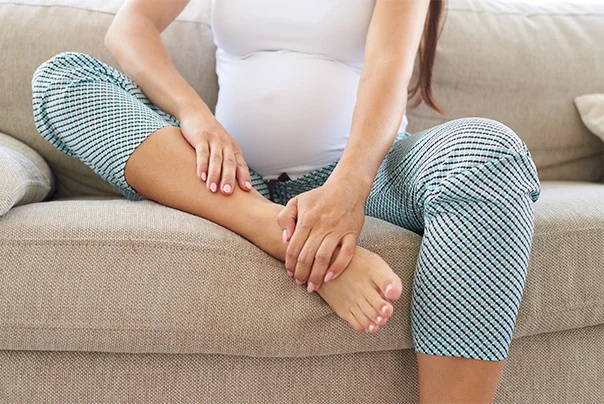
As your body enters the final stretch of pregnancy, it’s not just your baby that’s growing. Many expectant mothers notice a significant change in their feet, ankles, and hands—a puffiness known medically as edema. This swelling in the third trimester can range from a mild nuisance to a source of real discomfort and concern. Distinguishing between the typical, expected fluid retention of late pregnancy and swelling that could signal a serious complication is crucial for your peace of mind and your health. This comprehensive guide will help you understand why swelling happens, offer proven strategies for relief, and, most importantly, equip you with the knowledge to recognize the red flags that require immediate medical attention.
The “Why” Behind the Puff: Understanding Normal Pregnancy Swelling
First, know that some degree of swelling is extremely common, affecting up to 75% of pregnant women. It’s primarily caused by a perfect storm of physiological changes:
- Increased Blood Volume: Your body produces roughly 50% more blood and bodily fluids to support your growing baby and placenta. This extra fluid naturally leads to some retention in your tissues.
- Pressure from the Uterus: As your uterus expands, it puts significant pressure on the large vein (the inferior vena cava) that returns blood from your lower body to your heart. This “venous pressure” slows circulation and causes fluid to pool in the lowest parts of your body—your feet and ankles.
- Hormonal Shifts: The hormone progesterone causes your blood vessels to relax and dilate, which can also contribute to slower circulation and fluid seepage into surrounding tissues.
- Simple Gravity: At the end of a long day of standing or sitting, you’ll often notice swelling is at its worst. This is gravity pulling those extra fluids downward.
Common Characteristics of Normal (Physiological) Edema:
- Location: Primarily in the feet, ankles, and lower legs. You might also notice some in your hands and fingers.
- Timing: Typically worsens as the day progresses or after long periods of standing or sitting.
- Symmetry: It usually affects both sides equally (e.g., both feet are similarly puffy).
- Pitting Nature: When you press a finger into the swollen area, it may leave a temporary indent (a “pit”) that slowly fills back in.
- Relief with Elevation: The swelling often improves noticeably overnight when you lie down and gravity is no longer working against you.
Your At-Home Relief Toolkit: Effective Strategies to Manage Normal Swelling
While you can’t eliminate normal pregnancy edema, you can significantly reduce discomfort and manage its severity.
1. Elevate and Conquer: This is your most effective tool. Whenever possible, elevate your feet above the level of your heart. Lie on your left side (which takes pressure off the vena cava) with your legs propped on pillows. Do this for 30-60 minutes, 2-3 times a day.
2. Move Mindfully: Avoid standing or sitting in one position for more than an hour. Take short walks to engage your calf muscles, which act as a pump to help move fluid back up your body. Gentle prenatal swimming or water aerobics is excellent, as the water pressure helps compress tissues and reduce swelling.
3. Hydrate, Hydrate, Hydrate: It seems counterintuitive, but drinking plenty of water (aim for 8-10 glasses daily) helps your body flush out excess sodium and waste products, reducing fluid retention. Dehydration signals your body to hold onto every drop.
4. Mind Your Diet: Reduce your intake of high-sodium processed foods, canned goods, and restaurant meals, which can exacerbate fluid retention. Focus on potassium-rich foods (bananas, spinach, sweet potatoes, yogurt) which help balance sodium levels.
5. Choose Supportive Clothing:
- Wear Compression Socks or Stockings. Put them on first thing in the morning before swelling has a chance to build up. They provide graduated pressure to aid circulation.
- Avoid tight socks or stockings with restrictive bands at the top.
- Choose comfortable, supportive footwear with a low heel.
6. Cool Compresses: Applying a cool cloth or an ice pack wrapped in a towel to swollen ankles for 15-20 minutes can provide soothing relief and help reduce inflammation.
The Red Flags: When Swelling Signals Something More Serious
This is the most critical information. While most swelling is benign, sudden or severe edema can be a symptom of two potentially dangerous conditions: Preeclampsia and Deep Vein Thrombosis (DVT).
Red Flag #1: Signs Suggestive of Preeclampsia
Preeclampsia is a pregnancy-specific disorder characterized by high blood pressure and signs of damage to other organ systems, often the kidneys. It typically occurs after 20 weeks of pregnancy. Swelling associated with preeclampsia is often sudden and severe.
Seek IMMEDIATE medical attention if your swelling is accompanied by ANY of the following:
- Sudden, Significant Swelling: Especially in the face (particularly around the eyes) and hands. While foot swelling is common, facial puffiness that appears rapidly is a classic warning sign.
- Severe Headache: A persistent, pounding headache that doesn’t resolve with acetaminophen (Tylenol).
- Vision Changes: Seeing spots, flashing lights, blurry vision, or temporary loss of vision.
- Pain in the Upper Abdomen: Severe pain under your ribs on the right side (where your liver is located).
- Nausea or Vomiting: Sudden onset, especially in the second half of pregnancy.
- Shortness of Breath: Difficulty breathing or a feeling of being unable to get enough air.
Red Flag #2: Signs Suggestive of Deep Vein Thrombosis (DVT)
A DVT is a blood clot that forms in a deep vein, usually in the leg. Pregnancy increases the risk. Swelling from a DVT is often asymmetrical (one limb much larger than the other).
Contact your provider immediately if you notice:
- Swelling in Only One Leg: One calf, ankle, or foot is noticeably larger, redder, and warmer to the touch than the other.
- Pain or Tenderness: A cramping or sore pain in one calf or thigh, which may worsen when you stand or walk.
- Skin Changes: The skin on the affected leg may appear reddish or discolored.
Differentiating Between Normal and Concerning Swelling: A Quick-Reference Guide
| Feature | Normal Pregnancy Swelling (Edema) | Concerning Swelling (Seek Medical Advice) |
|---|---|---|
| Onset | Gradual, over weeks. Worsens slowly through the day. | Sudden and severe, often overnight. |
| Location | Feet, ankles, lower legs, hands. | Face (especially around eyes), hands (can make rings very tight), or ONE leg only. |
| Symmetry | Usually affects both sides equally. | Marked asymmetry (one limb much larger). |
| Response to Rest | Improves significantly with overnight rest/elevation. | Does not improve with rest or elevation. |
| Associated Symptoms | Mild discomfort, tight skin. | HEADACHE, vision changes, upper abdominal pain, shortness of breath, chest pain, calf pain. |
When to Call Your Provider vs. When to Go Straight to the Hospital
Call Your Provider Promptly (Within 24 Hours) For:
- Mild swelling in your face or hands that is new.
- Swelling that seems excessive to you, even without other symptoms.
- Persistent puffiness that doesn’t improve at all overnight.
Go to the Hospital Immediately For:
- Sudden, severe swelling in your face or hands.
- ANY of the preeclampsia symptoms listed above (severe headache, vision changes, etc.).
- Significant swelling in only one leg with pain or redness.
- Chest pain or difficulty breathing.
Trust your instincts. You know your body best. If something feels “off” or dramatically different, never hesitate to get checked.

FAQs: Your Late Pregnancy Swelling Questions, Addressed
Q: Is it normal for my fingers to be so swollen I can’t wear my rings?
A: Yes, this is common. Remove your rings before they get stuck! If they are already stuck, don’t force them. Try cooling your hand with ice, holding it elevated, or using a lubricant like soapy water. If it’s truly stuck, a jeweler can safely cut it off.
Q: Can swelling be a sign of early labor?
A: Not typically. However, some women do notice a sudden reduction in swelling a day or two before labor begins as the body shifts fluids. The onset of labor itself is not signaled by increased swelling.
Q: I wake up with puffy eyes. Is this normal?
A: Mild puffiness around the eyes in the morning can be normal, especially if you slept flat. However, if it’s pronounced, doesn’t go away after being upright, and is accompanied by significant swelling in your hands, it’s a reason to call your provider to rule out preeclampsia.
Q: Are there any supplements or herbs that help with swelling?
A: Never take any supplement or diuretic (“water pill”) without explicit approval from your prenatal care provider. Some herbs can be dangerous in pregnancy. Focus on the safe, effective strategies listed above: elevation, hydration, and gentle movement.
Q: How long after delivery will the swelling last?
A: You may be surprised to find that swelling can actually increase slightly in the first few days postpartum as your body shifts and eliminates extra fluids. This is normal. You’ll likely notice a significant decrease within the first week, especially as you start to move more and your uterus shrinks. Frequent urination and night sweats are your body’s way of shedding this fluid.
Swelling in late pregnancy is, for most, an inconvenient testament to your body’s incredible efforts to sustain a new life. By understanding its common causes and mastering the simple, effective techniques for relief, you can reclaim a significant degree of comfort. But the true power lies in your ability to be an informed advocate for your health. Memorize the red flags—the sudden facial swelling, the pounding headache, the one swollen leg. This knowledge transforms you from a passive observer of your changing body into an active guardian of your well-being and your baby’s. Listen to your body, implement the relief strategies, and never second-guess the urge to call your provider with a concern. You’ve got this.