Introduction: The Noise, The Anxiety, and The Need for Clarity
You pour the pomegranate juice. You lie perfectly still for 20 minutes after sex. You’ve downloaded three ovulation apps that give you slightly different dates, and you’re starting to wonder if your stress about all of this is the very thing holding you back. A well-meaning friend says, “Stop trying so hard—it’ll happen when you least expect it!” You smile, but inside, you feel a pang of guilt and confusion.

The path to pregnancy is often paved with unsolicited advice and pervasive myths. In my 15 years as a reproductive endocrinologist, I’ve heard them all. This folklore doesn’t just fill books and forums; it fills my patients with unnecessary anxiety, self-blame, and lost time. The emotional toll of believing you’re doing something “wrong” is real and profound.
It’s time for a reset. This article is your evidence-based guide through the noise. We will tackle the most stubborn common fertility myths, dissect where they come from, and replace them with clear, actionable science. My goal is not just to inform you, but to free you from the burden of misinformation so you can approach your journey with clarity and confidence.
Section 1: Timing & Cycle Myths
Myth: You can get pregnant any day of your menstrual cycle.
- The Grain of Truth: Sperm can survive in the female reproductive tract for up to 5 days, and the egg is viable for about 24 hours after ovulation. This creates a window of opportunity, not a single day.
- The Scientific Reality: The question can you get pregnant any day of your cycle has a definitive answer: No. Conception is only possible during the “fertile window.” This is the 5-6 day period leading up to and including the day of ovulation. Once ovulation passes and the egg disintegrates (about a day later), you cannot get pregnant until your next cycle. The days right after your period and the days leading up to your next period are not fertile.
- The Actionable Takeaway: Focus your efforts on identifying and targeting your fertile window. This is the single most impactful thing you can do.
Myth: Having sex every day during your fertile window increases chances.
- The Grain of Truth: More frequent sex during the fertile window does increase the probability of sperm meeting egg.
- The Scientific Reality: However, sperm quality can diminish with very frequent ejaculation (multiple times per day). For men with normal sperm parameters, daily sex during the fertile window is fine and may offer the highest probability. But for some, especially if sperm count is borderline, the best time to have sex to conceive is actually every other day during the fertile window. This allows for sperm replenishment while still ensuring viable sperm are present.
- The Actionable Takeaway: Aim for intercourse every day or every other day during your 5-6 day fertile window. Don’t stress over a perfect schedule; consistency is key.
Myth: If you don’t conceive right after stopping birth control, something is wrong.
- The Grain of Truth: Some women ovulate immediately after stopping hormonal contraception.
- The Scientific Reality: For many, it can take a few months for regular ovulation and cycles to return. This is normal. A landmark study showed that 21% of women conceive in the first cycle off the pill, but cumulative pregnancy rates align with the general population by one year. The pill does not cause infertility.
- The Actionable Takeaway: Be patient. Use the first few months to track your cycle and understand your body’s new normal. Don’t panic if it doesn’t happen immediately.
Myth: Tracking ovulation with apps alone is perfectly accurate.
- The Grain of Truth: Apps use algorithms based on cycle length averages, which can give a rough estimate.
- The Scientific Reality: Apps cannot confirm ovulation; they can only predict it based on past data. They are often inaccurate for women with irregular cycles. For true precision in how to accurately track ovulation for pregnancy, you need biological signs: a rise in basal body temperature (BBT) after ovulation, or the surge in luteinizing hormone (LH) detected by ovulation predictor kits (OPKs) before ovulation.
- The Actionable Takeaway: Use an app as a diary, but pair it with OPKs or BBT tracking for confirmation. The most reliable method is a combination of cervical mucus observation (becoming clear and stretchy like egg whites) and LH testing.
Section 2: Lifestyle & “Quick Fix” Myths
Myth: “Just relax and it will happen.” (Stress as a primary cause).
- The Grain of Truth: Extreme, chronic stress (like that from famine or trauma) can affect hormone cycles.
- The Scientific Reality: The everyday stress of life, work, and even the stress of trying to conceive, does not cause infertility. Does stress affect fertility in a clinically significant way for most people? No. This myth is pernicious because it blames the individual, adding shame to an already difficult process. Infertility is a medical condition.
- The Actionable Takeaway: Manage stress for your overall well-being, not because you think it’s blocking pregnancy. Seek support, practice self-care, and dismiss anyone who suggests your emotional state is the primary issue.
Myth: Specific sex positions or lying down after sex improve odds.
- The Grain of Truth: Gravity.
- The Scientific Reality: Sperm are incredible swimmers. They reach the cervical canal within minutes, regardless of position. There is no data that missionary is better than any other position. Similarly, lying down for 15-20 minutes after sex is harmless but not proven to increase pregnancy rates. The sperm that are going to make the journey are already on their way.
- The Actionable Takeaway: Have sex in whichever positions are comfortable and enjoyable for you both. Don’t turn intimacy into a gravity-defying acrobatic event.
Myth: There’s a special “fertility diet” (pineapple core, pomegranate juice, etc.).
- The Grain of Truth: Overall nutrition impacts metabolic and hormonal health.
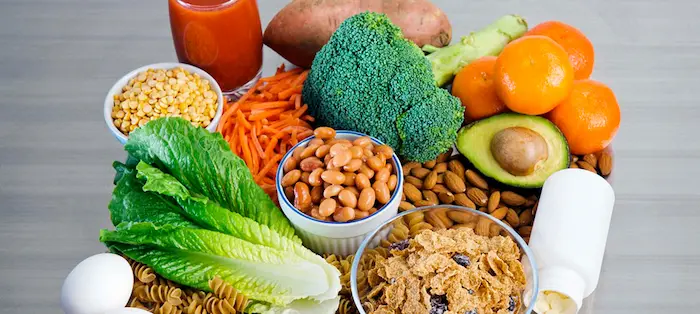
- The Scientific Reality: No single food is a fertility magic bullet. Pineapple core contains bromelain, an enzyme with unproven effects on implantation. Pomegranate juice is a healthy antioxidant but not a fertility treatment. The real story is that a Mediterranean-style diet (rich in whole grains, healthy fats, lean protein, fruits, and vegetables) is associated with better fertility outcomes for both men and women because it supports overall systemic health.
- The Actionable Takeaway: Focus on a balanced, nutrient-dense diet to fuel your body. Think about your plate, not a magic fruit.
Myth: Douching or special washes can help sperm reach the egg.
- The Grain of Truth: None. This is dangerous.
- The Scientific Reality: Douching disrupts the delicate pH balance of the vagina, can cause infections, and actually flushes out sperm. It can also push bacteria into the uterus. There is no scenario where douching improves fertility; it only harms it.
- The Actionable Takeaway: Do not douche. The vagina is a self-cleaning ecosystem. Leave it alone.
Section 3: Age & Fertility Myths
Myth: IVF can easily overcome age-related fertility decline at any age.
- The Grain of Truth: IVF is a powerful tool that can help overcome many fertility challenges.
- The Scientific Reality: IVF cannot reverse the biological clock. The success of IVF is directly tied to the age and quality of the eggs used. A woman in her 40s using her own eggs faces significantly lower success rates per cycle than a woman in her 30s. This is one of the most important myths about getting pregnant after 35 to understand. IVF manages the process of conception but cannot improve the fundamental genetic quality of an egg.
- The Actionable Takeaway: Be realistic about age and fertility. If you are over 35 and considering pregnancy, do not assume IVF is a simple safety net. Seek information earlier.
Myth: As long as you get periods, you’re fertile.
- The Grain of Truth: Regular cycles often indicate ovulation.
- The Scientific Reality: You can have regular periods with inadequate ovulation (luteal phase defect) or with declining egg quality/quantity (diminished ovarian reserve). Fertility begins to decline significantly in the late 20s and early 30s, well before periods become irregular or stop at menopause.
- The Actionable Takeaway: Regular periods are a good sign, but they are not a guarantee of fertility, especially as age increases.
Myth: Male fertility doesn’t decline with age.
- The Grain of Truth: Men produce sperm throughout their lives.
- The Scientific Reality: While men don’t have a menopause, male fertility does decline. Sperm quality (motility, morphology) decreases, and DNA fragmentation rates increase with age, which can impact conception rates, miscarriage risk, and child health. Paternal age over 40 is associated with increased time to conception.
- The Actionable Takeaway: Fertility is a couple’s issue. Male factors contribute to about 40% of infertility cases. Age matters for both partners.
Section 4: Early Pregnancy & Conception Sign Myths
Myth: You’ll “just know” immediately when you’re pregnant.
- The Grain of Truth: Some women report very early intuition.
- The Scientific Reality: The earliest pregnancy symptoms (fatigue, breast tenderness, nausea) are caused by the hormone progesterone, which is also high in the luteal phase whether you’re pregnant or not. This is why distinguishing early signs of pregnancy vs progesterone is impossible before a missed period. “Implantation bleeding” is also anecdotal and not a reliable sign.
- The Actionable Takeaway: Trust a pregnancy test, not symptoms. Take a test after your missed period, or use a sensitive early detection test as directed.
Myth: More severe morning sickness means a healthier pregnancy.
- The Grain of Truth: Nausea is linked to rising hCG and estrogen levels, which are signs of a progressing pregnancy.
- The Scientific Reality: The absence of nausea does not mean something is wrong. Many women have perfectly healthy pregnancies with little to no nausea. Conversely, severe sickness (hyperemesis gravidarum) is a serious medical condition, not a badge of a “strong” pregnancy.
- The Actionable Takeaway: Every pregnancy is unique. Do not use the severity of symptoms to gauge the health of your pregnancy. That’s what prenatal appointments and ultrasounds are for.
Myth: You can’t get pregnant while breastfeeding.
- The Grain of Truth: Exclusive, on-demand breastfeeding (including at night) can suppress ovulation in the first six months postpartum (the Lactational Amenorrhea Method).
- The Scientific Reality: This is only 98-99% effective under perfect conditions. Once you introduce supplements, solids, or go longer stretches between feeds, ovulation can return before your first postpartum period. You can ovulate and get pregnant without ever having a period.
- The Actionable Takeaway: Do not rely on breastfeeding as birth control unless you meet very strict criteria and are comfortable with a small risk. Use contraception if you do not want another pregnancy immediately.
Section 5: What Actually Helps (Evidence-Based Cornerstones)
After clearing the myths, let’s build on a solid foundation of what works.
- Understand and Time Your Cycle: Use OPKs and track cervical mucus to identify your true fertile window. Have intercourse every day or every other day during that time.
- Optimize Preconception Health: This is the core of what actually helps you conceive.
- Nutrition: Eat a balanced, anti-inflammatory diet. Key nutrients: Folate (crucial for neural tube development), iron, vitamin D, omega-3s.
- Supplements: A daily prenatal vitamin with at least 400-800 mcg of folic acid, starting at least 3 months before conception.
- Lifestyle: Achieve a healthy weight (both under and overweight can disrupt ovulation), moderate caffeine (<200mg/day), eliminate smoking and recreational drugs, and limit alcohol.
- For Men: Same healthy lifestyle applies—no smoking, moderate alcohol, healthy diet, avoid excessive heat to the scrotum.
- Know When to Seek Help: The single most important proactive step. The “rule of thumb” is not a suggestion to wait, but a guideline for when to investigate.
- Under 35: Try for 12 months before a basic fertility evaluation.
- 35 or older: Consider an evaluation after 6 months of trying.
- Regardless of age: See a specialist immediately if you have irregular cycles, known conditions like PCOS or endometriosis, a history of pelvic infections, or multiple miscarriages.
Conclusion: Empowerment Through Evidence
Debunking pregnancy myths is more than an intellectual exercise; it’s an act of reclaiming your journey. It removes phantom obstacles, quiets the chorus of unhelpful advice, and directs your energy toward factors that genuinely matter.
Let this be your permission slip: to stop blaming your stress, to throw away the pineapple core, to have sex in whatever position you like, and to seek professional guidance without guilt or delay when needed. Your path to parenthood should be informed by science, supported by compassion, and free from the weight of folklore. Move forward with the confidence that comes from knowing the facts.
Frequently Asked Questions (FAQ)
Does orgasm help conception?
For the female partner, an orgasm is not necessary for conception. The uterine contractions from orgasm may theoretically help sperm transport, but it is not a required or proven mechanism. For the male partner, orgasm is, of course, necessary for ejaculation.
Do lubricants hurt chances?
Yes, many commercial lubricants (even “natural” ones like saliva) can impair sperm motility and survival. If needed, use lubricants specifically formulated to be “sperm-friendly,” such as Pre-Seed, which are isotonic and pH-balanced.
Can you feel implantation?
No. There is no scientifically proven physical sensation of implantation. The idea of “implantation cramps” or spotting is largely anecdotal and not a reliable sign of pregnancy.
Is it true you’re more fertile after a miscarriage?
Not exactly. There is a statistical concept of a slightly higher pregnancy rate in the first 3 months following a miscarriage, likely because you’ve proven you can conceive. However, physiologically, there is no evidence your fertility is “boosted.” It’s emotionally and physically important to wait until you feel ready to try again.
Do fertility teas or supplements work?
Be extremely cautious. “Fertility teas” are unregulated and can contain herbs that interfere with hormones or medications. Evidence for over-the-counter supplements like myo-inositol (for PCOS) or CoQ10 (for egg/sperm quality) is emerging but should be discussed with a doctor. They are not a substitute for addressing underlying medical issues.