The Hidden Hurdle: When Feeding Feels Like a Battle
You’ve read all the books. You’ve seen the lactation consultants. You’ve tried every positioning trick imaginable. Yet, feeding your baby remains a source of sharp pain, profound frustration, and quiet worry. Your baby clicks at the breast, gulps air from the bottle, seems perpetually hungry yet exhausted, and you’re left with cracked nipples, a sense of failure, and a Google search history that keeps circling back to one term: tongue tie.

You are not alone, and you are not imagining it. Ankyloglossia, commonly known as tongue tie, is a real and often misunderstood condition where the thin band of tissue under the tongue (the lingual frenulum) is unusually short, thick, or tight, restricting the tongue’s natural range of motion. For a niche topic, it generates an intensity of search because it strikes at the very heart of the parent-child bond: nourishment and connection. The struggle is visceral, isolating, and fraught with conflicting advice.
This guide is written for you the parent in the trenches. We will move beyond medical jargon and delve into the lived experience. We’ll decode the symptoms of tongue tie in newborns that go beyond breastfeeding, explore the real-world pros and cons of revision procedures like frenectomy, and provide a step-by-step, compassionate roadmap for tongue tie aftercare exercises that promote healing and function. Our goal is to arm you with clear, nuanced information so you can advocate for your child and make empowered decisions, moving from confusion to clarity and, ultimately, to relief.
More Than a “Snip”: Understanding Tongue Tie Holistically
Historically, tongue tie was often dismissed or overlooked unless it was visibly severe. Modern understanding recognizes it as a functional issue. The tongue is not just for eating; it’s the cornerstone of oral mechanics. A restricted tongue can impact a cascade of functions, creating a ripple effect that parents intuitively feel long before a diagnosis is made.
It’s crucial to understand the two main types:
- Anterior Tongue Tie: This is the classic, visible tie. The frenulum is attached close to or at the tip of the tongue, often creating a heart-shaped appearance when the tongue is extended.
- Posterior Tongue Tie: This is the “hidden” tie. The frenulum is buried under the mucosal covering under the tongue. It feels thick and tight to the touch but isn’t as easily seen, making it frequently missed by untrained eyes.
[Image Suggestion: A simple, clear medical diagram comparing a normal range of tongue motion with the restricted motion caused by anterior and posterior tongue ties. Focus on function, not just appearance.]
Decoding the Signals: Symptoms in Baby, Symptoms in Mother
The signs of tongue tie extend far beyond a simple latch problem. They manifest as a constellation of issues for both infant and parent.
For the Infant: A Story of Struggle
A baby with a tongue tie isn’t being “lazy” or “inefficient.” They are fighting against a physical restriction. Look for these clusters of symptoms:
- Feeding Red Flags:
- Breastfeeding: Painful latch that doesn’t improve with positioning, clicking or smacking sounds, sliding off the nipple, frequent slipping to the nipple tip, prolonged feeding sessions (40+ minutes) with baby still seeming hungry, poor milk transfer leading to low weight gain.
- Bottle Feeding: Excessive gas, colic, reflux symptoms, milk dribbling from the sides of the mouth, fatigue during feeds, a preference for very fast-flow nipples as they “chug” to compensate.
- Digestive Distress: Due to excessive air swallowing, symptoms like severe gassiness in tongue tied babies, spit-up that resembles vomiting, painful hiccups, and difficulty with bowel movements are common.
- Behavioral & Developmental Cues: Frustration at the breast/bottle, fussing when laid flat (reflux), “gummy” smiling with little tongue mobility, difficulty soothing, and sleep disruptions due to hunger and discomfort.
- Longer-Term Concerns (if unaddressed): Speech delays (particularly with sounds like t, d, l, r, th), picky eating, difficulty chewing solid foods, dental issues like cavities and gaps.
For the Mother: The Physical and Emotional Toll
The mother’s experience is a direct diagnostic tool. Symptoms include:
- Pain: Damaged, creased, blanched, or bleeding nipples after the initial two weeks. Pain described as pinching, scraping, or burning throughout the feed.
- Mechanical Issues: Frequent plugged ducts, mastitis, low milk supply due to ineffective emptying, and severe engorgement.
- Exhaustion & Distress: The emotional weight of painful feeds, concern over baby’s intake, and feeling dismissed can contribute to postpartum anxiety and undermine breastfeeding confidence.
The Crossroads: To Revise or Not to Revise?
The decision to proceed with a tongue tie revision (frenectomy) is deeply personal and should be made in consultation with a qualified team: an International Board Certified Lactation Consultant (IBCLC), a pediatric dentist or ENT with specific expertise in tethered oral tissues, and possibly a pediatric chiropractor or bodyworker.
The Procedure: Frenectomy Explained
A frenectomy is the release of the restrictive frenulum. The two modern methods are:
- Scissor or Scalpel Snip: A quick surgical clip. It can be effective for very anterior, thin ties but may not address thicker, posterior ties comprehensively and can sometimes lead to reattachment or scar tissue.
- Laser Revision: Increasingly the gold standard. A specialized dental laser precisely vaporizes the frenulum tissue. Advantages include reduced bleeding with laser frenectomy, less post-procedure discomfort, more precise control, and potentially lower reattachment rates due to the sterilizing effect of the laser.
What to Expect: For an infant, the procedure is very quick, often taking less than a minute. There is brief crying (more from being swaddled and having the mouth held open than from pain, as the laser is minimally invasive). A small amount of bleeding is normal. The baby is typically able to feed immediately afterward, which is both comforting and therapeutic.
Weighing the Decision: Key Questions
- Is the tie truly causing functional issues? Not all ties need revision. The mantra is “form follows function.” If baby is feeding well, gaining weight, and mother is pain-free, revision may be unnecessary.
- Who is the provider? Experience matters immensely. Seek a provider who assesses function, not just anatomy, and who offers comprehensive pre- and post-procedure support.
- What is your support system? The success of a revision hinges almost entirely on the aftercare. Are you prepared and supported to do the necessary exercises?
The Crucial Phase: Aftercare is Everything
A frenectomy releases a restriction; it does not teach the tongue new muscle memory. The tongue has spent months in a limited pattern. Without retraining, it may fall back into old habits, or the wound may heal with scar tissue that recreates the restriction—a tongue tie reattachment.
This is where committed aftercare becomes non-negotiable. Think of it as physical therapy for the tongue.
The Aftercare Exercise Protocol
Your provider will give specific instructions, but a standard protocol often includes:
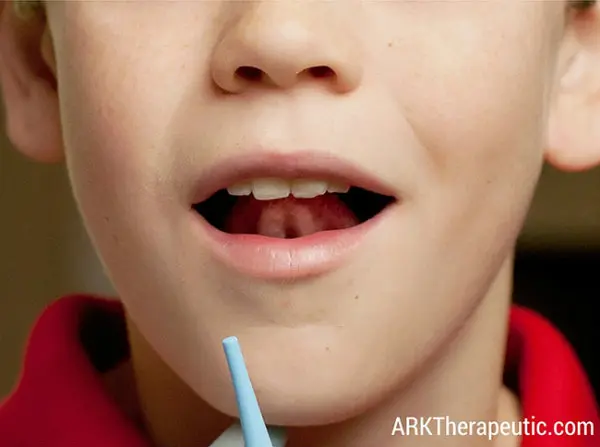
- Wound Stretching: For 3-6 weeks, you’ll need to gently sweep your finger under the tongue 3-5 times, 4-6 times per day, to keep the diamond-shaped wound open and prevent reattachment. This is the most challenging but critical part. It’s brief but uncomfortable for the baby.
- Functional Exercises: These are “play-based” and aim to retrain the tongue’s movement. They should be done before stretches when the baby is happy. Examples include:
- Tongue Lifts: Gently stroking the lower lip to encourage the tongue to reach up and out.
- Cheek Stretches: Gently massaging the cheeks from the outside to release tension in the masseter muscles.
- Sucking Practice: Encouraging a deep, wide latch during feeds.
- Bodywork: Many families find immense value in complementary bodywork for tongue tie aftercare, such as pediatric chiropractic (focusing on cranial and cervical alignment) or craniosacral therapy. These modalities can release compensating tensions in the neck, jaw, and palate, making the tongue’s new range of motion more accessible and comfortable.
Navigating the First Week Post-Revision
The first 48 hours can be emotionally tough. Your baby may be fussier, feeding may be messy as they learn new mechanics, and doing the stretches is hard. Tips:
- Feed On Demand: The baby’s suck is the best exercise. Offer frequent, comforting feeds.
- Manage Discomfort: Use infant Tylenol as directed by your pediatrician. Skin-to-skin contact is powerful medicine.
- Trust the Process: Progress is not always linear. Some babies show immediate improvement; for others, it’s a slow, two-steps-forward-one-step-back journey over weeks as they neurologically integrate the change.
Beyond Infancy: Tongue Tie in Older Babies and Toddlers
Sometimes tongue tie isn’t identified until solids are introduced or speech concerns arise. The revision process is similar, but aftercare involves more active cooperation. Oral motor therapy with a speech-language pathologist becomes a key component to retrain swallowing patterns and speech articulation. The decision still hinges on functional issues—difficulty chewing certain textures, speech delays, or dental problems.
Frequently Asked Questions (From Anxious Parents)
Q: Will revising the tie hurt my baby?
A: The procedure itself involves minimal discomfort. The laser cauterizes nerve endings and blood vessels. The aftercare stretches are uncomfortable and babies often protest, but the discomfort is brief. Most parents report their baby returns to baseline temperament quickly after each session.
Q: How do I find a qualified provider?
A: Look for pediatric dentists, ENTs, or oral surgeons who specialize in “tethered oral tissues” (TOTs). Ask about their diagnostic criteria, procedure method (laser preference is a good sign), and whether they provide or coordinate with IBCLCs and bodyworkers. Local parenting groups are often invaluable for recommendations.
Q: What if it reattaches?
A: A small degree of reattachment is common, but full reattachment often suggests aftercare was insufficient or the initial release was incomplete. A small revision may be needed. An experienced provider can assess this.
Q: My pediatrician said it’s fine and will stretch. Should I wait?
A: This is a common point of contention. While some very mild ties may stretch, a true, functionally impacting tie is composed of fascial tissue that does not stretch like a muscle. If you have a cluster of symptoms, seeking a second opinion from a TOTs specialist or IBCLC is prudent.
Q: Is this just a “trend” or over-diagnosis?
A: Increased awareness has led to more diagnoses, which is positive for struggling families. The key is a functional, symptom-based assessment, not just an anatomical observation. Responsible practice focuses on releasing ties that are causing measurable problems.
Finding Your Path Forward
Navigating a potential tongue tie is a journey that tests your resilience and advocacy. It requires you to become a detective of your child’s cues and a determined seeker of the right help. Listen to your intuition. If your lived experience tells you something is wrong, that data is valid.
Whether you choose revision or another path of support like targeted bodywork and feeding therapy, the goal is the same: to relieve your child’s struggle and restore the peace and connection that feeding should bring. The path may involve difficult moments—the anxiety of the procedure, the discipline of aftercare—but for countless families, it leads to a profound turning point: a baby who feeds contentedly, a mother who feeds without pain, and a partnership that can finally flourish, unhindered.