You’re standing in front of the fridge… again. It’s 2 p.m., and you ate a perfectly good lunch just two hours ago. But a deep, gnawing emptiness has taken over, whispering urgent suggestions about peanut butter straight from the jar or maybe that leftover pasta. Or perhaps it’s 3 a.m., and you’ve woken from a dead sleep, dreaming vividly of orange juice and pickles, your stomach audibly protesting.
Welcome to pregnancy hunger—a force of nature that can feel bewildering, hilarious, and sometimes downright inconvenient. But what if those sudden, ravenous urges weren’t random? What if they were secret, crunchy, pickle-flavored messages from your growing baby?
Let’s crack the code. That hunger isn’t just “you.” It’s often a direct line to the incredible, scheduled construction project happening inside you. This guide is your decoder ring. We’ll connect the dots between your rumbling stomach, that bone-deep fatigue, and your baby’s major developmental leaps. Get ready to understand your body’s signals like never before.
The Science of the Munchies: Why Pregnancy Hunger is a Real, Hormonal Force
First, let’s normalize this. You are not imagining it, and you are not just “eating for two” in the cliché sense. Your body is undergoing a monumental biochemical shift. Think of your uterus as a project manager overseeing the most complex build of a lifetime, and your hormones are the crew, the budget, and the energy supply all rolled into one.
The main players driving pregnancy hunger vs real hunger signs are:
- Progesterone: This hormone, which rises dramatically, has a direct relaxing effect on your digestive tract. Slower digestion means food stays in your stomach longer, which can initially make you feel fuller, but it also means a slower, steadier release of energy. When that energy dips, your brain signals for more fuel. It’s also a central player in fatigue.
- hCG (Human Chorionic Gonadotropin): The famous pregnancy hormone. In the first trimester, its rapid rise is closely linked to nausea, but it also interacts with appetite centers in the brain, creating wild swings between aversion and craving.
- Metabolic Demand: Simply put, building a human takes calories—about 300-500 extra per day in the later stages. But it’s not a linear need. It comes in surges, aligned with baby growth spurt symptoms.
Your body is brilliantly efficient. That extreme hunger at 8 weeks pregnant isn’t a flaw; it’s a biological request for specific resources needed for a specific phase of construction.

Your Hunger & Symptom Decoder: A Trimester-by-Trimester Guide
Let’s break down what’s typical—and what’s a potential growth spurt signal—phase by phase.
First Trimester Hunger: Survival Mode vs. The 8-Week Leap
Let’s be real: first-trimester hunger is a bizarre paradox. It’s often less about gourmet cravings and more about “what can I possibly keep down?” For many, nausea overshadows everything.
But watch for a shift around weeks 7-9. This is when the embryo officially becomes a fetus, and major organ systems are furiously forming. The neural tube is closing, the heart is fully structured and beating fast, and tiny limb buds are becoming arms and legs.
- The “Symptom Cluster”: You might experience a specific type of fatigue and hunger at 16 weeks pregnant? Actually, it often starts earlier. Look for a cluster: sudden, sharp hunger (even through nausea), coupled with exhaustion so deep you feel drugged, and sometimes increased breast tenderness. This is your body demanding high-quality protein, healthy fats, and B-vitamins for this neural and structural boom.
- Insider Tip: This is when the midwife’s cracker trick is golden. Keep plain, bland carbs (crackers, dry cereal) by your bed. Eat a few before you even sit up in the morning. It stabilizes blood sugar and can calm nausea-fueled hunger pangs.
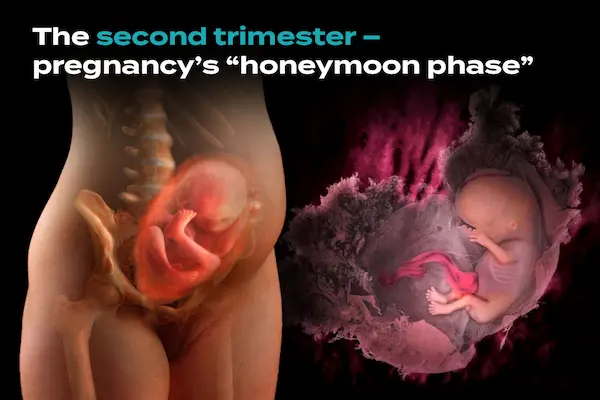
Second Trimester Hunger: The “Honeymoon” Appetite and Major Anatomy Spurts
Ah, the glorious second trimester! For many, nausea lifts, energy returns, and oh boy, does appetite make a comeback. Feeling hungry all the time second trimester normal? Absolutely.
This is the “hollow leg” phase. Your baby is growing from the size of a lime to a large eggplant. Key spurts often happen:
- Weeks 16-20: This is a major anatomy-building period. Bones are ossifying (hardening), muscle tissue is layering in, and your baby starts to move (those first flutters!). Your body needs calcium, magnesium, and protein. Your hunger might feel steady and strong.
- The Symptom Cluster: You might notice your hunger paired with new, sharper round ligament pains (as your uterus expands), a noticeable “popping” or rounding of your bump, and the thrilling onset of those first movements (increased fetal movement and hunger can be linked as baby’s new muscles get active).
Third Trimester Hunger: The Final Countdown and Brain Growth Spikes
Here comes the paradox: The ‘Hollow Leg’ Phase vs. The ‘No Room’ Shift. As baby fills your abdomen, your stomach gets squished. You may feel ravenously hungry but full after three bites. It’s frustrating!
The key is to recognize the spikes within the squeeze. Major baby growth spurt symptoms third trimester are often brain-focused.
- Weeks 28-32: The brain is developing billions of neurons and forming complex connections. Baby is also laying down fat for temperature regulation. This period is notorious for sudden hunger at 32 weeks pregnant, often for fatty, energy-dense foods (hello, avocado and full-fat yogurt).
- Weeks 36+: The final lung maturation and weight gain spurt. You might be less hungry overall due to sheer lack of space, but experience intense, specific cravings.
- The Symptom Cluster: This is where you truly learn what do baby growth spurts feel like. It’s not just hunger. It’s hunger + a feeling of intense, tight pressure in your bump + increased fetal hiccups (from practicing breathing) + perhaps a surge of nesting energy followed by a crash of profound fatigue. Your belly might literally look different overnight.
“Hunger” vs. “Something Else”: Key Signs It’s a Growth Spurt
So, how do you tell a true spurt from a craving for ice cream? Use this quick “The 3-Question Check: Is This a Growth Spurt?”
- Is it paired with deep, “bone-marrow” fatigue? Not just tired, but a heavy, restorative fatigue that feels necessary.
- Is there a concurrent physical change? New round ligament pain, a tightening/pressure in your uterus, a noticeable bump shift, or a change in fetal movement patterns (either a sleepy lull or a burst of activity).
- Do healthy, nutrient-dense foods sound appealing? During a true spurt, your body often wants substance—eggs, meat, nuts, dairy. A craving is usually for one specific, sometimes quirky, item.
If you answer yes to at least two, you’re likely fueling a leap!
Smart Fueling Strategies: What to Eat When the Spurt Hits
When the growth-spurt hunger hits, what you eat matters. It’s about quality calories that deliver the right building blocks.
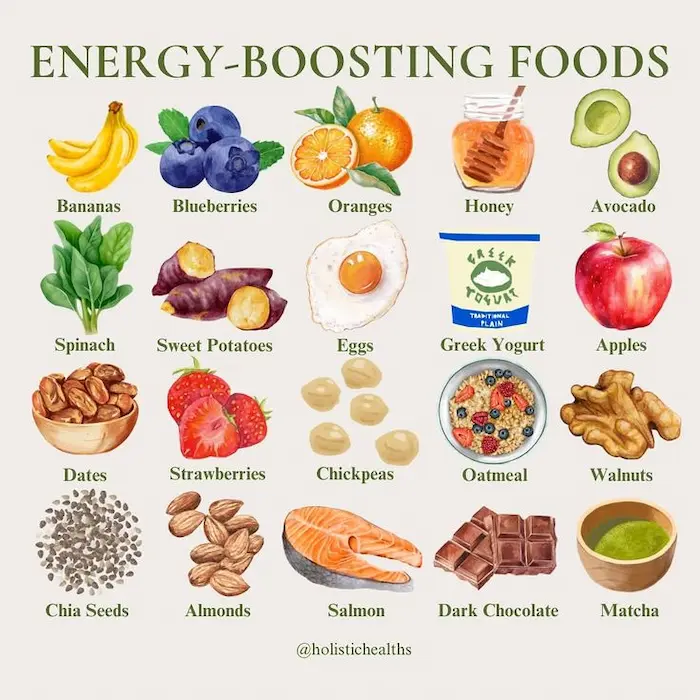
- Protein + Complex Carb Combos: This is your stable energy gold standard. Think apple slices with almond butter, Greek yogurt with berries, or whole-grain toast with eggs.
- Healthy Fats for Brain Growth: Avocado, nuts, seeds, olive oil, and fatty fish (like salmon) are crucial in the third trimester.
- Frequent, Small Meals: Especially late in pregnancy. Graze rather than feast. It keeps energy stable and accommodates your squished stomach.
- Hydrate, Hydrate, Hydrate: Often, thirst masks itself as hunger. Drink a glass of water first, then see if the hunger persists. Amniotic fluid is constantly replenished, and dehydration can cause false hunger signals and fatigue.
Cravings vs. Nutritional Needs: Listening to Your Body’s Code.
A pickle craving might mean your body wants sodium and electrolytes (especially if you’re nauseous). Ice cream could signal a need for calcium and fat. Try to decode the craving and find a healthier vehicle. Want something cold and creamy? A banana “nice cream” or full-fat Greek yogurt might hit the spot.
When to Mention It to Your Provider: Red Flags Amidst Normal Hunger
While intense hunger is usually normal, be aware of signs that warrant a conversation:
- Sudden, Insatiable Hunger & Thirst: This, especially if paired with excessive urination and fatigue, can be a sign of gestational diabetes.
- Fatigue That Doesn’t Improve with Rest: Could indicate anemia (low iron) or thyroid issues.
- No Appetite or Weight Loss: In the first trimester, this is common with severe nausea, but your provider should know. In later trimesters, a complete loss of appetite needs checking.
- Hunger Paired with Severe Swelling or Headaches: Important to rule out preeclampsia.
Always, always trust your gut. If a pattern feels off to you, bring it up.
Your Reassuring FAQ
Q: Is extreme hunger at 6 weeks normal?
A: Absolutely. Even before a visible bump, your body is working overtime building the placenta and supporting rapid cellular division. Hormonal shifts are dramatic. It’s very common.
Q: Why am I less hungry at 36 weeks?
A: This is the “no room” shift! Your baby and uterus are taking up so much space they’re physically compressing your stomach. Focus on small, nutrient-dense meals and snacks throughout the day instead of three large meals.
Q: Does baby move more or less during a spurt?
A: It can go both ways! Some women report a lull—baby is using energy to grow and may be sleepier. Others feel increased, almost frantic movement as new neural pathways and muscles are tested. Both are normal. The key is to know your baby’s pattern and report any drastic, persistent decrease.
Q: I’m hungry but everything gives me heartburn. Help!
A: The ultimate third-trimester catch-22. Stick to smaller portions, avoid acidic/spicy/fried foods (especially before bed), and try not to lie down right after eating. Sometimes, a tablespoon of plain yogurt or a sip of milk can soothe the burn and provide a bit of fuel.
Remember, you are the expert on your pregnancy. Those hunger pangs are a conversation. Listen closely, fuel wisely, and marvel at the fact that your body is smart enough to ask for exactly what it needs to build your amazing little one. Now, go enjoy that snack. You’ve earned it.