Nappy rash is an inflammatory skin condition that causes red bumps on your baby’s abdomen or around their nape. It can appear from a sudden burst of itching, soreness, or irritation, and may even spread to the ears. Most babies should not be given too much nappy rash cream because it doesn’t heal fast enough. If you notice this happening repeatedly or if the affected area becomes infected, then you need an urgent visit to your pediatrician right away to avoid being over-treated. Nappy rash affects about 1 out of every 6 newborns before they go through their first year of life. Infants that have nappy rash sometimes call for an ambulance when they appear a little uncomfortable. The symptoms you’ll see on these new parents will determine what kind of product you should use. This article covers some common nappy rash treatments and when to see a doctor. We’ll discuss these products along with how nappy rash can develop and symptoms that signal an issue so you can take action as quickly as possible.
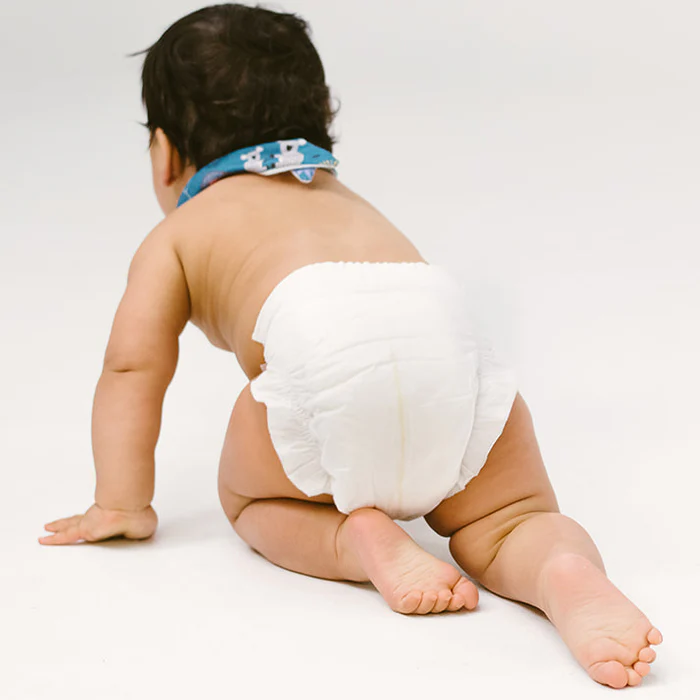
A couple of nappy bumps are what the doctor calls an allergic reaction to the baby’s dura materia. An irritant that comes from all things skin cells or other tissues that surround and protect an unborn baby (also called placenta) a few weeks before birth, when it is the first bump. The reason for your stomach cramps, nausea, fever and sometimes even vomiting. They can occur at any time during pregnancy, but most commonly on the lower left ribs. There may be different kinds of reactions. Symptoms are very similar in many cases and usually disappear within a few hours after a treatment with epinephrine (or antihistamine).Nappy rashes develop when baby’s skin is dirty with poo or wet with wee. Irritated skin which looks like patches of inflamed skin on baby’s bottom. Sore red spots form on the area of bottom baby’s skin that a diaper covers. Nappy rashes are sore to touch. These blisters make your child very uncomfortable and cry a lot due to its irritation. It can range from mild to severe and can be shown in different ways. They develop because young infants have sensitive skin and when they poop and pee frequently so the area inside the diaper stays moist and when skin is not completely dry, it becomes worse.
Complete Nappy Guide From Diaper Choices to Clean Care
Types
- Napkin rash
- Allergic contact dermatitis
- Yeast diaper rash
- Bacterial diaper rash
- Strep diaper rash
- Irritant dermatitis
- Chafing
- Cradle cap
- Eczema
1. Napkin rash
Nappy rash also known as napkin rash, generally occurs when the itchiness comes from a sudden burst of itching or scratching. Sometimes, the itchiness begins by itself, so it feels like a small bunny irritation. Sometimes, it spreads to your stomach or the rest of your body as the rash starts to form around the diaper. Although most nappies block the pores on your skin, leaving no visible mark of itchiness in them. However, the same thing doesn’t always happen. You can get a “nappy” for any number of reasons. For example, if you get a nasty cut from nailing something, nappies are very useful for hiding wounds because they act like Velcro. Once you wipe your child down after getting home from daycare, you probably wouldn’t think about using nappies other than napped ones. When I was pregnant, my nappies were often left at my feet because my feet were bare, especially after working long hours. Even though I wasn’t comfortable wearing them at all, I still put them under my armbands, which was annoying they could be irritate a person’s skin. Since my children were three months old at the time, I used non-toxic sunscreen lotion, which helps me keep nappy rash under control. As far as why I chose to wear them, I just thought it made me feel secure since I didn’t want to keep napkins at the base of my feet. Also, it has become easier to find those with disposable nappies than regular disposable diapers, because they’re more expensive. While it’s true that reusable nappies feel better compared to regular disposable diapers, when I’m tired, I still prefer to use non-toxic sunscreen lotion.
2. Allergic contact dermatitis
Babies develop an allergy to a product which you are using on their skin. This usually happens when you use a new product or product for a long time. there are different causes of allergic contact dermatitis .some of which can be
- Fragrances
- Coloring
- Other chemicals
- These factors can be present in
- Prepackaged baby wipes
- Ointments
- Creams
- Detergents which are used to wash cloth
- Chemicals in making disposable diapers
Symptoms of allergic contact dermatitis
In this type, red scaly rash that come in contact with allergens.it can extend to the area which is outside the diaper and not even touch that allergen. Allergic contact dermatitis start as mild but can led to severe if not remove the allergen.
3. Yeast diaper rash
A type of fungus that lives in the gut and also in poop.it cause rashes because warm and humid environment inside the diaper is favorable for yeast to grow. Wet and moist skin is more susceptible for yeast to survive than dry skin. A worse and painful rash can develop if yeast sits for a long time against baby’s moist.
Symptoms of yeast diaper rashes
This type of rash looks like thousands of tiny spots range from pale pink to brightened red.
4. Bacterial diaper rashes
This type of rashes happens when skin is already inflamed or damaged and it’s easy for bacteria to enter the skin and cause an infection.
Causing agent
Staphylococcus aureus and some antibiotic resistant types of S.aureus.
Symptoms of bacterial diaper rashes
This type of rash looks like a red pimple with white or yellow center. its usually drain pus of poos.
5. Strep diaper rash
This type of rash is also caused by bacteria.in babies, strep can cause an intense diaper area called perianal strep.
Symptoms of strep rash
It looks like an angry, bright red patch around the anus.
6. Irritant dermatitis
When something touches the skin and it gets irritated, the result is irritant dermatitis. This is the most common type of rashes.
Causing agent
- Urine
- Feces
- Diaper it self
- Chemicals used to make the diaper
- Chemicals in wipes
- Chemicals in lotion and ointments you apply in the diaper area
Symptoms of irritant dermatitis
These start out as flat, pink rash in areas where irritants touch the skin. The longer an irritant stays, it becomes more worse and red which is painful.
7. Chafing
These are small spots or bumps in the areas of high friction which lead to redness.
8. Cradle cap
Deep red rash with white scales appear on babies head but can also spread to diaper areas.
9. Eczema
Dry, itchy and red patches that appear on face and head more than in diaper areas.it can flares up due to allergic reactions.
Symptoms
- Pink or red rash around your baby’s bottom
- Red spots
- Stiff neck
- your child is Light sensitive
- Suffering from high temperature
- Difficulty in breathing /fast breathing
- Pale skin, tounge or lipa
- Blisters
- Pimples
- Inflamed or itchy skin in the diaper area
- Sores in the diaper area
- Discomfort
- Fussiness or crying
- Skin feel hot to touch
Causes
Diaper rash may be caused by:
- Leaving on wet or soiled diapers too long. The tender skin of babies can develop a rash if wet or soiled diapers are left on too long. Babies may be more prone to diaper rash if they’re experiencing frequent bowel movements or diarrhea.
Rubbed or chafed. A rash may develop as a result of wearing clothing that rubs against the skin or tight diapers. utilizing a fresh item. A new brand of baby wipes, diapers, or detergent, bleach, or fabric softener used to wash cloth diapers might cause a reaction on your baby’s skin. Lotions, powders, and oils’ ingredients could make the issue worse.
- Developing a bacterial or yeast (fungal) infection. What begins as a simple infection may spread to the surrounding skin. The area covered by a diaper is at risk because it’s warm and moist, making a perfect breeding ground for bacteria and yeast. These rashes can be found within the creases of the skin. And you might notice red dots scattered around the creases.
- presenting novel cuisine. The composition of babies’ stools varies when they begin to consume solid foods. Diaper rash is more likely as a result. The frequency of your baby’s farces may also increase as a result of dietary changes, which may cause diaper rash. Diaper rash could occur in breastfed infants as a reaction to something the mother ate.
- sensitivity of the skin. Diaper rash may be more likely to appear in infants who have certain skin diseases, such as atopic dermatitis (eczema) or seborrheic dermatitis. Atopic dermatitis typically affects regions of the skin that are not covered by diapers.
the use of antibiotics. Because antibiotics eradicate the microorganisms that control yeast growth, they might cause rashes. Diarrhea risk is also increased by antibiotic use. Babies who are breastfed and whose mothers use antibiotics are also more likely to develop diaper rash.
Nappy rash can be caused when
- Being in prolonged contact with poop or wee on your baby’s skin
- Your infant feels the nappy against his or her skin.
- not changing the diaper frequently enough or not cleaning the diaper area
- Bubble bath, detergent, or soap
- Alcohol-based baby wipes
- because of the rubbing between the baby’s diaper and skin
- Typically, plastic pants obstruct airflow, making the diaper area moist.
Your baby’s bottom may have red spots or the entire area may be crimson. Their skin may seem red, feel warm to the touch, and have blemishes, pimples, or blisters. If diaper rash is minimal, newborns may not experience pain; but, if it becomes severe, your infant may experience distress and discomfort.
A nappy rash causes when the body receives too much fluid from the external environment which causes water (and the natural oils in the skin) to pool inside the nappy. This then forms tiny pools of excess oil (called comedones ) that produce swelling, itching and redness. These small pools of fluid also create a risk to the surrounding area, especially if you have rashes on the neck and back. Most causes of this nappy rash are due to the mom’s diet, stress and pregnancy. But there are some medical conditions in which there could be more serious and deadly reactions. Some examples are:
- Diabetes
- High blood pressure
- Thyroid problems
Diaper rash is not caused by your baby. Just because your baby has a bad rash, doesn’t mean that his/her diaper rash is worse than usual. Sometimes diaper rash can cause a person to bleed profusely and there can also be an allergy to certain types of diapers. You should contact doctors if this happens.
Advice to help look after your baby’s nappy rash
- Change soiled or damp diapers as quickly as you can.
- Gently wipe the diaper region from front to back to clean it. Use baby wipes without alcohol or fragrances. Learn more about how to bathe and diaper-change your child.
- Aim to give your baby a bath every day, but try to limit it to no more than twice daily to prevent skin ageing.
- After washing your infant, gently dry them off without rubbing.
- Lay your infant on a towel and remove their diaper as frequently and for as long as you can to allow the skin to breathe.
- Avoid using lotions, bubble bath, or soap.
- Talcum powder should not be used as it includes components that may irritate your baby’s skin.
- Make sure the diaper fits properly on your child. The skin may become irritated if it is too tight, and if it is too loose, the diaper won’t be able to effectively absorb urine.
- If you heed this instructions, diaper rash typically goes away within 3 days. Maintaining your adherence to this recommendations can help stop diaper rash from reappearing.
If you heed this instructions, diaper rash typically goes away within 3 days. Maintaining your adherence to this recommendations can help stop diaper rash from reappearing.
Preventions
- Wash your hands before and after changing your baby’s diaper. Hand washing prevent the spread of bacteria and yeast to other part of body.
- Diapers should not too tight because some airflow help to prevent the rash.
- Check your baby’s diaper often and change it as soon as possible because wet and soiled diapers led to develop rash.
- When you need to wash your baby’s skin, use a mild cleanser and use plain water.
- Gently clean and dry the area under diaper rather than rubbing.
- Use mild wipes which are free from chemicals.
- Do not use wipes with alcohol and fragrances.
- Use soft and clean washcloth.
- Make sure that the area is completely clean and dry before putting a fresh diaper.
- Do not rub the sore skin.
- Try to let your baby diaper free as much as you can so that fresh air dry the skin airing out the diaper zone helps to heal the rash faster. Exposing the rash area to air is best and natural way to let it dry.
- Remove dirty and wet diapers.
- Do not scrub your child bottom.
- Avoid to use talcum powder.
- Use disposable nappies that have high absorbency rate
- Always use the right nappy size that is not too loose nor too tight
Treatments
- The main aim of nappy rash treatment is to heal the inflamed and injured skin while protecting it from further skin damage caused by friction and moisture.
- Frequently change your infant nappy
- Your baby’s skin has a chance to heal by frequent nappy changes that keep the diaper area dry.
- At every single hour, check your child’s nappy for wetness or grubby, and immediately change any such diapers
- When giving your baby a bath, use a gentle, soap-free wash. Dry your baby’s skin off, then use a straightforward, silky moisturizer.
- After changing your baby’s diaper, apply a protective cream.
- At each diaper change, use a straightforward, inexpensive barrier cream. You could apply petroleum jelly or a lotion that contains zinc. These lotions are available without a prescription from your local medical store or grocery store.
- Apply just enough cream to the baby’s skin to provide a barrier that prevents poop and wee from touching it.
- If you can still see any of the cream at the subsequent nappy change, you have applied the cream sufficiently.
- Every day, let your baby’s diaper area airy as long as you can. Put a towel down and allow your baby to play and sleep without a diaper.
- You might either use a larger diaper or fasten your baby’s diaper loosely to allow air to flow freely and prevent friction between your baby’s skin and diaper.
- More moisture can be absorbed by disposable diapers. Try temporarily switching to disposable diapers if you usually use cloth diapers until the rash has healed. Avoid wearing plastic pants if you use cloth diapers.
- Rinse and wash cloth diapers. Rinse cloth diapers well in fresh water to try to remove soap residue, especially after using detergents that include bleach. Before using them again, make sure the diapers are completely dry.
- To lessen nighttime diaper leakage, try feeding your infant liquids earlier in the evening.
- Citrus fruits, strawberries, pineapple, tomatoes, and tomato-based products are examples of foods with a high acid content that can aggravate diaper rash. You might think about limiting your baby’s intake of these meals and beverages when they are experiencing diaper rash.
Medications
Your doctor may advise using weak corticosteroid creams or ointments, such as hydrocortisone 1%, for severe diaper rash or rash that won’t go away with straightforward treatments. These can be used briefly without risk. When applying these lotions to your baby’s skin, always follow the directions on the packaging. Keep them away from your baby’s face. The talc in the powder can cause breathing problems in baby.
If your kid has a secondary bacterial or fungal illness, your doctor may recommend certain lotions or ointments. Barrier cream usually block out the moisture in the diaper area. Apply barrier creams in such a way as if you are icing a cake.
Following are the active ingredients to look for in barrier cream
- Zinc oxide
- Petroleum jelly
- Silicone
Although these barrier creams work well for babies but some brands do contain extra fragrances and chemicals which cause allergic contact dermatitis and make the each worse.
Home remedies
Different home remedies can be used to treat the rashes at home. Some of which are following
- Coconut oil
- Draw an oatmeal bath
- Yoghurt
- Baking soda
- Epsom salt
- Aloe Vera
- Breast milk
1: Coconut oil
Coconut oil has antifungal and antibacterial properties and is most effective for
diaper rash in babies. Wash your baby’s skin with warm water and then dry it
with soft towel. Take half of tablespoon of coconut oil and apply it on your
baby’s skin to treat the rash. Coconut oil can be used to cure the rash caused
by yeast infection.
2: Draw an oatmeal bath
Oatmeal bath is best remedy for rash because it provide relief from pain. Take a tablespoon of oatmeal and mix it with bathwater. Sit your baby for 10-15 min in bath and then dry your baby ‘skin. Do not rub as it will make the condition worse. Try this twice a day if rashes are severe.
3: Yoghurt
Plain yoghurt can be used to treat rash and inflamed skin. Take room temperature yoghurt and apply a thick layer on affected area. Rash will disappear within a couple of days.
4: Baking soda
Baking soda helps to maintain the pH level and remove the bacteria and fungi from baby’s skin. Mix two tablespoon of baking soda in warm water and bath your baby in this solution regularly. let it dry and will work as charm.
5: Epsom salt
Epsom salt has anti-inflammatory qualities and a high magnesium content. Pour a half cup of Epsom salt into a warm bath. Two times a day, soak your infant for 10-15 minutes in this solution.
6: Aloe Vera
If your baby have severe inflammation due to rash, you should use aloe Vera gel.
You can use both fresh aloe Vera or bottled gel.
7: Breast milk
Apply breast milk on your baby’s bottom and let it dry before putting new diaper.
Complications
Your baby’s skin will take weeks to heal, and during this time, your child’s skin will be more sensitive to irritants. It could make other infections like thrush more likely to develop. Inside the diaper area, thrush appears as bright red, inflammatory areas with a distinct boundary. Around the perimeter of the rash, there could be a lot of dots and pus-filled blisters. Folded skin is susceptible to thrush infection. This type of infection treat with antifungal creams and take longer time for healing and repairing the skin.
When to consult a doctor
Diaper rashes usually heal and repair the skin after a few days. Most of the parents usually try home remedies but these are not effective always. You should take your baby to doctor if you notice following symptoms in your baby
- Fever
- Blister
- A persistent rash
- Swelling