Your baby’s first tooth is a real milestone — a tangible sign of their growth from a gummy infant toward a beaming toddler. But the weeks leading up to that first pearly nub can be confusing: is that low temperature from teething or an illness? Is the intense fussiness pain, or something else? The line between normal teething and an unrelated sickness often gets blurred. This guide separates the evidence from the old wives’ tales: the typical teething timeline, the symptoms that really are teething (and the ones that aren’t), safe ways to soothe sore gums, and how to care for that first tooth. For a deeper look at the safety of teething gels and pain medications specifically, see our companion guide to safe teething remedies and medications.

The Teething Timeline
Every baby is different, and the age of the first tooth varies widely — some babies are born with a tooth (a natal tooth), while others don’t get one until after their first birthday. Both can be perfectly normal. That said, most follow a general pattern:
- 6–10 months: lower central incisors (the bottom front two).
- 8–12 months: upper central incisors (the top front two).
- 9–13 months: upper lateral incisors (next to the front teeth).
- 10–16 months: lower lateral incisors.
- 13–19 months: first molars (the wider back teeth).
- 16–23 months: canines (the pointy “eye” teeth).
- 23–33 months: second molars.
The process isn’t continuous — there are often pauses of several months between groups of teeth. Parents frequently report that the first molars and canines cause the most discomfort, thanks to their larger, more bulbous shape.
Real Teething Signs vs. Illness
According to the AAP and Mayo Clinic, teething can cause localized gum discomfort, but it does not cause systemic illness. That distinction matters. The common, genuine signs of teething include:
- Irritability and fussiness — often worse in the afternoon and evening.
- Excessive drooling — one of the most universal signs, sometimes causing a facial rash.
- Gnawing and chewing — babies gum anything they can to apply counter-pressure.
- Swollen, tender gums — red, bulging, and firm where the tooth is coming through.
- A very slightly raised temperature — a mild bump below 100.4°F (38°C) may occur from gum inflammation, but this is not a true fever.
- Disrupted sleep and mild appetite changes — some babies comfort-nurse more, others eat less from sore gums.
These symptoms are NOT caused by teething and mean your baby should be evaluated — don’t dismiss them as “just teething”:
- A true fever of 100.4°F (38°C) or higher — this points to an infection or illness.
- Diarrhea, vomiting, or a runny nose — signs of a viral or bacterial infection.
- A body rash (beyond a drool rash on the face or chin).
- Lethargy or extreme, inconsolable fussiness.
The CDC emphasizes that blaming a significant fever or diarrhea on teething can delay diagnosis of real illnesses like ear infections or gastroenteritis. When in doubt, trust your instincts and call your pediatrician.
The Safe Soothing Toolkit
Pressure and cold — the gold standards
- Chilled (not frozen) teething toys — silicone or rubber rings cooled in the fridge. Avoid the freezer, since rock-hard frozen toys can bruise the gums. The cold numbs and the texture satisfies.
- A clean, cold washcloth — dampen, twist, and chill one; the nubby texture is perfect to gnaw on.
- Gentle gum massage — with clean hands, rub firm pressure on the gums for a minute or two. Surprisingly effective.
Comfort and distraction
- Extra cuddles and comfort feeding — closeness and the soothing action of sucking are sometimes the best medicine.
- Chilled, soft foods (for babies on solids) — cold yogurt or applesauce, or a large piece of chilled cucumber or banana in a mesh feeder to prevent choking.
- Pain relief medication — for significant pain that disrupts sleep or feeding, the AAP notes acetaminophen can be used from 2 months and ibuprofen from 6 months. Dose by weight, not age, use the measuring device provided, confirm with your pediatrician, and use only for acute pain rather than continuously.
What to avoid
Several popular products are genuinely dangerous: benzocaine numbing gels (the FDA warns against them under age 2 due to methemoglobinemia, a rare blood-oxygen disorder), homeopathic teething tablets (inconsistent amounts of toxic belladonna have been found), amber teething necklaces (a strangulation and choking hazard with no evidence they work), and rubbing alcohol or whiskey on the gums (unsafe and ineffective). Our teething medications guide covers why, in detail.
Caring for That First Tooth
Dental care begins the moment the first tooth appears. The American Dental Association recommends a first dental visit within 6 months of that first tooth erupting, or by the first birthday.
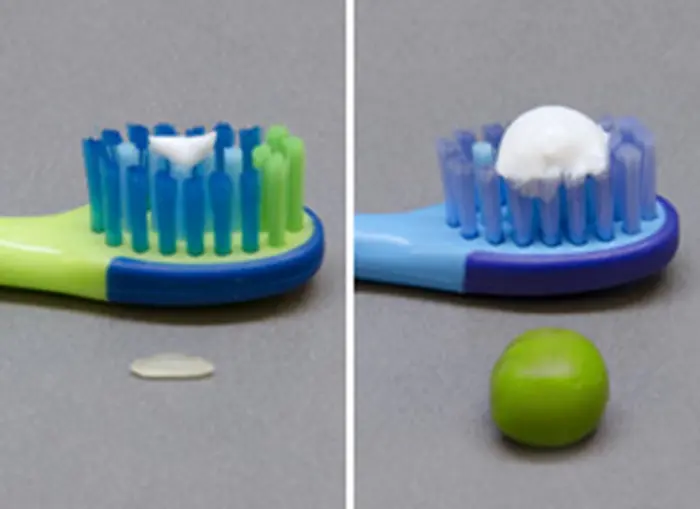
- Brushing: use a soft, infant-sized toothbrush and a tiny smear of fluoride toothpaste (no bigger than a grain of rice), gently, twice a day.
- Avoid bottle decay: never put your baby to bed with a bottle of milk, formula, or juice — the sugars pool around the teeth and cause rapid “baby bottle tooth decay.”
- Fluoride: discuss needs with your pediatrician or dentist. It’s typically not needed under 6 months; after that, a supplement may be recommended if your water isn’t fluoridated.
Getting Through the Hard Parts
Disrupted sleep. Teething pain often peaks at night when there are fewer distractions. Stick to your calming bedtime routine, and if you’re offering a dose of pain reliever, give it at the start of the routine so it has time to work before sleep.
Feeding strikes. Sore gums can make sucking painful. For bottle-fed babies, try a different nipple shape; for nursing babies, aim for a deep latch. Offering a cold teether before a feed can numb the gums enough to make feeding comfortable.
Drool rash. Constant moisture can irritate the chin, neck, and chest. Gently pat (don’t rub) the area dry through the day and apply a simple barrier like petroleum jelly or a thick, fragrance-free moisturizer. Our guide to drool rash has more.
When to Call the Doctor
Teething is normal, but contact your pediatrician if your baby has a fever over 100.4°F (38°C) or seems ill; if symptoms are severe and nothing gentle helps; if you’re concerned about timing (for example, no teeth by 18 months); or if teeth come in discolored (brown or black spots, not just yellowish enamel) or misshapen.
Frequently Asked Questions
Teething may cause a very slight rise in temperature from gum inflammation, but not a true fever. A temperature of 100.4°F (38°C) or higher is not from teething — it signals an illness that should be evaluated, so don’t attribute a real fever to teeth.
Cold and pressure work best: a chilled (not frozen) teething toy, a cold damp washcloth to gnaw on, or a gentle gum massage with a clean finger. For significant pain, weight-based acetaminophen (2 months and up) or ibuprofen (6 months and up), confirmed with your pediatrician, can help.
No. Amber teething necklaces pose a serious strangulation and choking hazard, and there’s no scientific evidence they relieve teething pain. The AAP and FDA strongly advise against them. Stick to teethers your baby holds, not anything worn around the neck.
Most babies get their first tooth between 6 and 10 months, usually a bottom front tooth. But anywhere from being born with a tooth to not having one until after the first birthday can be normal. If there are no teeth by 18 months, mention it to your pediatrician.
As soon as the first tooth appears. Use a soft, infant-sized toothbrush with a rice-grain smear of fluoride toothpaste, twice a day. Schedule the first dental visit within 6 months of that tooth or by the first birthday, and never put your baby to bed with a bottle.
The Bottom Line
Teething is a temporary but genuinely challenging phase. The key is staying grounded in the evidence: know the real symptoms, use safe soothing methods (cold, pressure, comfort, and appropriate pain relief), skip the dangerous products, and recognize the warning signs of true illness. You’re not treating “teething” as a catch-all for every bad mood — you’re addressing specific gum discomfort. Trust your instincts: if your gut says your baby is sick rather than teething, they probably are, and a call to your pediatrician is always a reasonable move. Soon enough, the fussiness fades and you get that unforgettable one-toothed grin.
This article is for general information and is not a substitute for personalized medical advice.
References
- American Academy of Pediatrics (HealthyChildren.org). Teething: 4 to 7 Months.
- Mayo Clinic. Teething: Tips for Soothing Sore Gums.
- American Dental Association (MouthHealthy.org). Baby Teeth.
- U.S. Food and Drug Administration. Safety Risks of Teething Products Containing Benzocaine.