The journey through pregnancy is marked by a series of routine check-ups and screenings, all designed to ensure the well-being of both mother and baby. Among these, the glucose tolerance test (GTT) often stands out as a source of anxiety and questions. The thought of drinking a sugary syrup on an empty stomach, followed by multiple blood draws, can feel daunting.
But knowledge is the antidote to anxiety. This comprehensive guide will walk you through every aspect of the glucose screening and diagnostic test process. We’ll demystify why it’s important, what to expect step-by-step, how to interpret your results, and what happens next if you receive a diagnosis of gestational diabetes. Our goal is to replace worry with understanding and empowerment, turning this routine screening into an active step toward a healthy pregnancy.
Why the Test Matters: Understanding Gestational Diabetes
To appreciate the glucose test, we must first understand what it’s screening for: gestational diabetes mellitus (GDM). This is a type of diabetes that develops during pregnancy in individuals who didn’t previously have diabetes.
Here’s the simple biology:
- The placenta produces hormones that help your baby grow.
- These hormones also can block the action of the mother’s insulin, a condition called insulin resistance.
- Insulin is the “key” that allows sugar (glucose) from your bloodstream to enter your cells for energy.
- When you become resistant to your own insulin, glucose builds up in your blood instead of being used properly.
- This elevated blood sugar is gestational diabetes.
Why is managing blood sugar so crucial?
Uncontrolled high blood sugar can cross the placenta, giving your baby more glucose than they need. This can lead to:
- Excessive fetal growth (Macrosomia): A larger baby can make vaginal delivery difficult and increase the risk of cesarean section and birth injuries.
- Hypoglycemia in the newborn: After birth, the baby’s high insulin production continues, which can cause their own blood sugar to drop dangerously low.
- Increased risk of preeclampsia for the mother.
- Higher long-term risk of developing type 2 diabetes for both mother and child.
The powerful good news? Gestational diabetes is highly manageable. With proper diet, monitoring, and sometimes medication, you can have a perfectly healthy pregnancy and delivery. The glucose test is the critical first step in identifying who needs this extra support.
The Two-Step Process: Screening vs. Diagnosis
It’s important to know that there are typically two stages, though protocols can vary by practice and country.
Step 1: The Glucose Challenge Test (GCT) – The Initial Screening
- When: Usually between 24 and 28 weeks of pregnancy. It may be done earlier if you have risk factors (family history of diabetes, previous gestational diabetes, BMI over 30, PCOS, or being over 35).
- The Process (The 1-Hour Test):
- No fasting required. You can eat normally beforehand.
- You’ll drink a 50-gram glucose solution—a very sweet, syrupy drink that tastes like flat, extra-sweet soda or orange juice.
- You wait at the clinic for one hour. You cannot eat or drink anything else during this time.
- After one hour, a single blood sample is drawn to check your blood sugar level.
- The Purpose: This is a broad screening tool to see how your body processes a large sugar load. It identifies individuals who need further, more precise testing.
Step 2: The Glucose Tolerance Test (GTT) – The Diagnostic Test
- When: This is performed only if you fail the initial screening test.
- The Process (The 3-Hour Test):
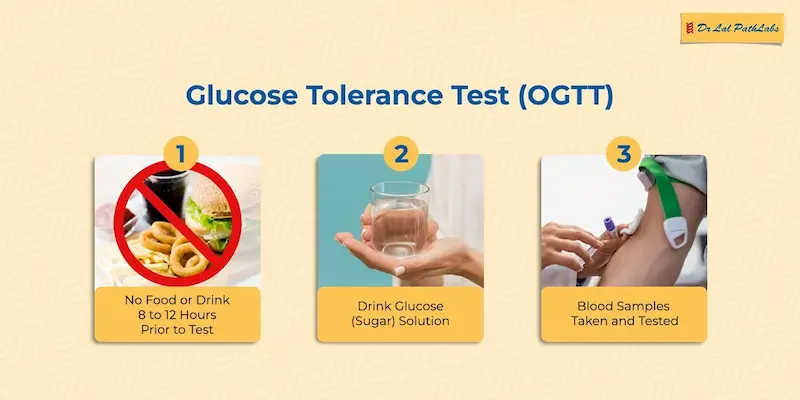
- Strict fasting required. You must fast for 8-14 hours overnight (water only).
- A fasting blood draw is taken to get your baseline sugar level.
- You drink a 75-gram or 100-gram glucose solution (stronger than the first drink).
- Your blood is drawn every hour for the next 3 hours (so at 1-hour, 2-hour, and 3-hour marks).
- The Purpose: This test provides a detailed curve of how your body handles glucose over time. Diagnosis is based on how many of your blood draws exceed specific thresholds.
Preparing for Your Test: A Practical Guide
Preparation is key to getting accurate results and making the experience as smooth as possible.
For the 1-Hour Screening Test (GCT):
- You can eat normally. However, some providers suggest avoiding a very high-sugar breakfast (like pancakes with syrup) right before the test, as it could cause a temporary spike.
- Stay hydrated with water.
- Bring something to do—a book, podcast, or work—for the waiting hour.
For the 3-Hour Diagnostic Test (GTT):
- Fast completely for 8-14 hours before your appointment. You can sip water.
- Schedule your test for first thing in the morning to minimize the discomfort of fasting.
- Plan to be at the clinic for at least 3.5 hours.
- Bring essentials: A snack for immediately after your final blood draw, a bottle of water, and entertainment (book, tablet, headphones).
- Let the lab staff know if you start to feel nauseous, dizzy, or faint during the test.
What does the glucose drink taste like?
It’s very sweet, similar to a melted popsicle or flat soda. It’s often available in fruit punch, orange, or lemon-lime flavors. Some tips: drink it chilled if possible, and try to finish it within the 5-minute window given without gulping.
Understanding Your Results: The Numbers Explained
1-Hour Screening Test (GCT) Results:
- A typical threshold is 140 mg/dL (7.8 mmol/L). Some practices use a lower cutoff of 130 mg/dL (7.2 mmol/L) to catch more cases.
- If your number is at or below the threshold: You “passed.” No further testing is needed. Your body handled the sugar load well.
- If your number is above the threshold: You “failed” the screening. This does not mean you have gestational diabetes. It means you need to proceed to the diagnostic 3-hour GTT. About 15-25% of people fail the 1-hour test, but only a third of those are diagnosed with GDM.
3-Hour Diagnostic Test (GTT) Results:
Diagnosis is based on how many of your four blood draws exceed the established limits. The most common criteria (Carpenter-Coustan) for the 100-gram drink are:
| Sample | Target Level (mg/dL) | Target Level (mmol/L) |
|---|---|---|
| Fasting | 95 or lower | 5.3 or lower |
| 1-Hour | 180 or lower | 10.0 or lower |
| 2-Hour | 155 or lower | 8.6 or lower |
| 3-Hour | 140 or lower | 7.8 or lower |
- If TWO or more of your values are above the thresholds: You will be diagnosed with gestational diabetes.
- If only ONE value is elevated: This is often considered “impaired glucose tolerance.” Your provider will likely recommend some dietary changes and may monitor you more closely, but it may not be a full GDM diagnosis.
- If all values are within range: You do not have gestational diabetes.
Life After a Diagnosis: Managing Gestational Diabetes
A diagnosis can bring a flood of emotions—shock, worry, guilt. Please release the guilt immediately. Gestational diabetes is caused by the placenta, not by anything you did or ate. It’s about how your unique body reacts to pregnancy hormones.
Management is your path to a healthy outcome, and it’s very effective. Your team will likely include your OB/GYN and a diabetes educator or dietitian.
The Four Pillars of Management:
- Blood Sugar Monitoring: You’ll learn to use a glucometer to check your fasting and post-meal blood sugar levels daily. This data is your guide.
- Medical Nutrition Therapy (The GDM Diet): This isn’t about deprivation; it’s about strategic eating.
- Balanced meals: Pairing complex carbohydrates (whole grains, veggies) with protein and healthy fats to slow sugar absorption.
- Carbohydrate counting: Learning how many grams of carbs your body can handle at meals and snacks.
- Eating regularly: Three meals and 2-3 snacks to keep blood sugar stable.
- Physical Activity: Regular, moderate exercise like walking or swimming helps your body use insulin more efficiently.
- Medication (if needed): If diet and exercise alone don’t keep your numbers in the target range, medication is the next step. Insulin injections are the most common and safe medication, as it does not cross the placenta. Sometimes, an oral medication like metformin is used.
FAQs: Your Glucose Test Concerns, Addressed
Q: Can I refuse the glucose test during pregnancy?
A: You have the right to refuse any test. However, it is strongly recommended due to the silent nature of GDM and the significant benefits of early detection and management for you and your baby. Discuss your specific concerns with your provider.
Q: I failed my 1-hour test. Does this mean I ate too much sugar?
A: No. The test result reflects your body’s insulin resistance, not your diet. Many people with extremely healthy diets still develop GDM due to placental hormones.
Q: What are the side effects of the glucose drink?
A: Some people feel nauseous, jittery, sweaty, or get a headache. This is due to the rapid spike and subsequent fall in blood sugar. Severe reactions are rare. Inform the staff if you feel unwell.
Q: How can I pass my glucose test? Are there tricks?
A: There are no healthy “tricks.” The goal is not to “pass” but to get an accurate result. Attempting to cheat the test by drastically altering your diet beforehand only masks a potential problem that needs management for your baby’s health.
Q: Will I have to test again after pregnancy?
A: Yes. Having GDM increases your lifetime risk of developing Type 2 diabetes. You’ll have a follow-up test 6-12 weeks postpartum to ensure your blood sugar has returned to normal. Ongoing annual screening is usually recommended.
Q: Does gestational diabetes mean I’ll have a big baby or a C-section?
A: Not necessarily. With good blood sugar control, you can greatly reduce the risk of macrosomia. Many people with well-managed GDM have vaginal deliveries of average-sized babies.
The glucose tolerance test is more than just a routine prenatal checkmark. It is a profound example of preventative medicine—a tool that uncovers a hidden variable to safeguard your health and your baby’s future. While the process may be momentarily unpleasant, the information it provides is invaluable.
Approach your test not with dread, but with the understanding that you are participating in a key aspect of responsible prenatal care. Whether your result is a simple “all clear” or the beginning of a gestational diabetes management plan, you are taking active, informed steps toward the same goal: a healthy mother and a healthy baby. Arm yourself with this knowledge, communicate openly with your healthcare team, and remember that this test is a temporary moment on the beautiful, enduring journey of pregnancy.